English
 Arabic
 French
 Spanish
 Portuguese
 Deutsch
 Turkish
 Dutch
Dutch
 Italiano
 Russian
 Romaian
 Portuguese (Brazil)
 Greek
Greek

Postpartum Service Market Size: Industry Overview
Health |
2025-11-27 10:42:38
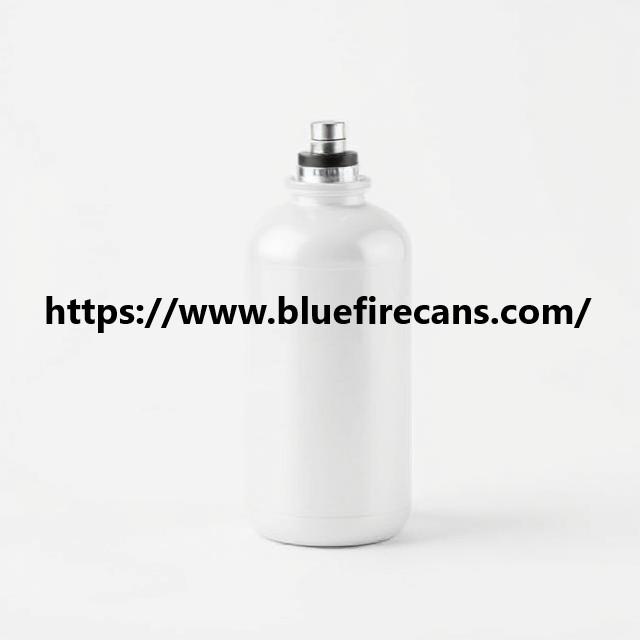
When you pack for a short trek or an extended backcountry stay, one piece of kit quietly determines how many warm meals you can make and how lightweight your pack can stay. A Camping Gas Cartridge is the fuel economy unit in many compact stove systems and small decisions about use and care change how much usable burn you get from each cylinder. With more people than ever choosing outdoor escapes and paying attention to gear efficiency, getting the most from every cartridge is both practical and aligned with the growing interest in low waste outdoor practices.
Start with matching capacity to the trip plan. Choose a cartridge family that suits the expected session length instead of oversized or undersized options that force extra weight or interrupted cooking. When device and cartridge choices align you avoid partial leftovers and reduce the need to carry extra spares just in case. That planning also lowers the chance of wasted fuel when a cartridge sits partly used because its capacity did not match the outing pattern.
How you store a cartridge before use makes a surprising difference. Keep cylinders in a stable temperature environment and avoid direct sun or confined hot spaces in vehicles. Pressure and vapor behavior respond to temperature so a cartridge stored sensibly will feed a stove more predictably. If a container spends long stretches in a hot or very cold place it may deliver uneven output and force longer cooking times which uses more fuel overall.
On the trail pay attention to simple stove technique. Start with a warm flame and avoid long high power boils when a gentle simmer will do. Using a pot lid reduces heat loss and shortens boil time. Match burner size to cookware so heat is concentrated and not lost around the pot sides. These small efficiency moves add up and cut the total fuel required for each meal.
Wind and shelter are often overlooked fuel thieves. Cooking behind a natural windbreak or using a compact windscreen reduces convective heat loss and keeps the flame focused on the cookware. That translates into shorter cook cycles and less fuel consumed per meal. In many regions people are cooking more outdoors for recreation and social reasons so the cumulative savings across trips is meaningful both for convenience and resource use.
Stove and cartridge compatibility matters. Ensure threads seat cleanly and that valve profiles match. A marginal fit can cause partial flow restriction or micro leaks that reduce usable burn. Before a trip test new cartridges with your stove at home and note how long a typical session consumes. That baseline helps you judge when a cartridge is truly near empty and when it still holds useful fuel for a quick reheat or simple task.
Mindful lighting and relighting habits extend fuel life. Avoid repeated relights to reach a steady flame. If a stove sputters or the flame is unstable, pause and check connections rather than continually open the fuel valve. Repeated tries waste fuel and can leave you with insufficient fuel for later needs. Routine cleaning of nozzle and valve seating at home prevents build up that leads to poor ignition behavior in the field.
Consider group cooking strategies. Combining morning and evening meal prep into one shared session reduces repeated stove cycles. If multiple people are on a trip, plan menus that minimize the number of separate boil sessions. Group planning may require a bit more coordination but it dramatically reduces the number of cartridges consumed by the group over a multi day experience.
Temperature effects require attention. In cool conditions flame stability can suffer and vapor production slows which increases burn time per task. Use insulating techniques for the cartridge such as keeping it close to your body before lighting or using a brief prewarm routine if safe and appropriate. Conversely avoid exposing cartridges to high heat which increases internal pressure and may affect delivery behavior. Choose cartridge families with valve designs validated for the expected conditions when you plan extreme temperature outings.
Pack protection reduces accidental fuel loss. Store cartridges away from sharp items and compressible bags that can stress valves. A small protective sleeve or dedicated pocket prevents dents and preserves seal integrity during transport. Damaged valve seats and small nicks sometimes cause slow leaks that go unnoticed until a cartridge yields less than expected at the stove.
When you reach the last visible fuel, squeeze usable value by shifting tasks. Run a low simmer to finish sauces rather than a sustained high boil. Use residual heat under a covered pot to complete cooking while the flame is off. These finishing strategies extend the practical life of a nearly empty cartridge and often get you through a final meal without swapping in a spare.
End of life handling and disposal are part of efficient planning. Using up a cartridge as fully as practical before disposal reduces waste. Follow safe emptying guidance and local disposal rules so you pack out cans responsibly. As sustainability becomes a larger part of outdoor gear choices, reducing partial leftovers and ensuring correct disposal fits consumer preferences and the ethics of outdoor stewardship.
Finally, choose suppliers and cartridge families with clear product notes and compatible valve options. When manufacturers publish thread types valve families and usage guidance procurement decisions are simpler and validation is faster. For teams or individuals who want predictable outcomes and responsible sourcing the product portal offers cartridge families and configuration notes that help align device and fuel choices. For detailed cartridge options valve types and production notes visit the supplier product portal at https://www.bluefirecans.com/ .